
Read the latest Lastinghealth news and insights on everyday chemicals, health risks, nutrition, microplastics and making healthier choices.
3rd November 2025
What are neurotoxicants and how can we avoid them?
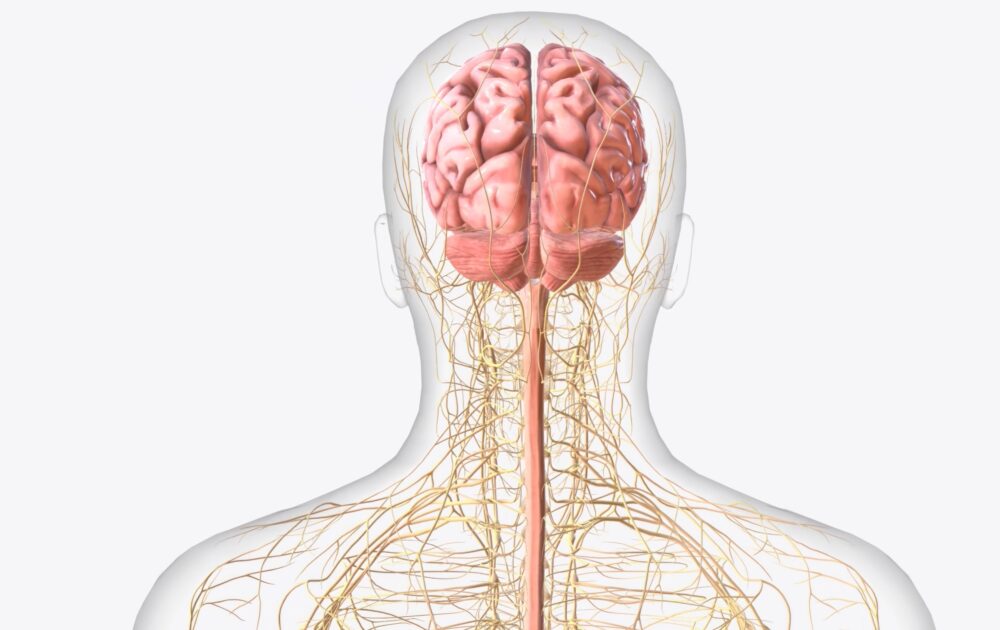
Neurotoxicants are substances including chemicals with toxic effects that can harm the structure or function of the nervous system, including the brain, spinal cord, and peripheral nerves. Exposure to neurotoxicants can interfere with activities in the brain and central and peripheral nervous systems, including neural transmission and cell inflammation leading to symptoms that range from mild cognitive or behavioral changes to severe neurological deficits.
How are we exposed to neurotoxicants?
Environmental contaminants such as heavy metals like lead and mercury neurotoxicants present a known toxic risk to human health. But focus is shifting to the effects of exposure to chemicals used in everyday settings such as pesticides and industrial solvents made using endocrine disrupting chemicals such as BPA and phthalates.
Acute exposure to chemicals with neurotoxic effects such as lead causes immediate effects such as headaches and numbness, while chronic, low-level exposure can lead to symptoms that only emerge weeks, months, or years after exposure making them harder to identify and measure the effects.
Long term, ‘slow burn’ exposure to neurotoxins is raising concerns about the effects on cognitive functions in the scientific community, with researchers establishing links between prolonged exposure and illnesses such as Alzheimer’s disease. Whilst the mechanisms aren’t fully understood yet, it’s possible that neurotoxicants bind themselves to neurones in the brain, alter their shape, then interfere with their signalling pathways to other parts of the central nervous system.
The highest risk period of exposure is during sensitive periods of development including pregnancy and early childhood development. Long term studies raise concerns that exposure to known and untested neurotic chemicals can contribute to developmental and cognitive disorders in children such as autism, ADHD, and other cognitive impairments.
How to reduce exposure to neurotoxic chemicals
The worst neurotoxicant offenders are tightly restricted by law, but not all.
ChemSec (the International Chemical Secretariat, an independent non-profit organisation that advocates for the substitution of toxic chemicals to safer alternatives) highlights a regulatory ‘blind spot’ on neurotoxic chemicals, but note things are slowly improving with more chemicals now restricted.
But it’s possible to take action to avoid some of the chemicals under scrutiny. Whilst it’s difficult to avoid some of the chemicals entirely, with a few simple changes you can reduce the likelihood of exposure in your daily life.
- Eat organic food whenever possible to reduce your dietary intake of pesticides and herbicides.
- Avoid drinking water from plastic bottles, especially older ones which may have been manufactured using BPA, which is tightly restricted in many consumer applications due to its endocrine disrupting abilities.
- Filter water using a gravity fed system in your home and use glass or steel drinking bottles when you’re on the move.
- Remove food from plastic packaging before heating in an oven or microwave – the heating process can accelerate the release of microplastic particles into food.
- Install a HEPA air filter to your home to improve indoor air quality.
- Use non-chemical cleaning products when possible, such as baking soda mixed with white vinegar.
- Download the YUKA app on your phone and use it to scan 1000’s of everyday products including food, toiletries, and cosmetics to find out what chemicals are used in their ingredients.