
Our test tells you which everyday chemicals you've recently come into contact with, and easy steps you can follow to reduce your exposure to them.
8th December 2025
Grapefruit tops the Dirty Dozen 2025 list
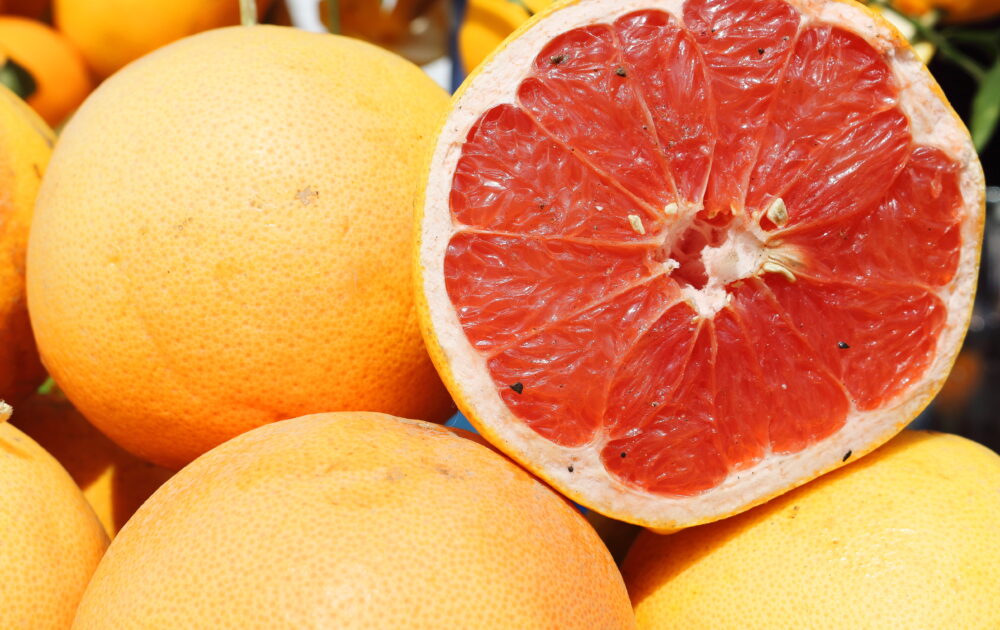
Grapefruit tops the list of the Dirty Dozen list of 2025, published by PAN UK each year to highlight the findings of UK government residue testing of pesticides found in common foods, and to guide shoppers toward food choices that could reduce cumulative exposures resulting in what they refer to as “pesticide cocktails.”
99% of grapefruit samples tested contained multiple pesticide residues, the highest levels found. Grapes are next on the list at 90%, followed by limes (79%), bananas (67%), followed by sweet peppers, melons, beans, chilli peppers, mushrooms, broccoli, aubergines, and dried beans.
What is the Dirty Dozen list?
PAN UK compiles the “Dirty Dozen” using data from the UK government’s residue monitoring programme, which tests residues of pesticides in fruit, vegetables, and other foods. The term pesticide is used here to include herbicides such as glyphosate. PAN UK is the only UK charity focused on tackling the problems caused by pesticides.
How to use the Dirty Dozen list
You can download the full list here and use it as a resource to inform you about the fruit and vegetable you’re eating. It can help you to avoid some of the produce on the list and reduce your dietary intake of pesticides.
But what if one of the foods is your favourite fruit or vegetable? If you eat ‘5 a day’ fruits and vegetables, by swapping out one from the list, you could reduce your ingestion of pesticides from fruit and vegetables by up to 20%. But, it doesn’t have to be all or nothing – the list can help you to make more informed choices.
The Dirty Dozen list might not be good news for fruit lovers, but it is possible to reduce your pesticide exposure by choosing more organic produce, or swapping them for other fruits not on the list such as organic apples or pears.
It’s also worth remembering that other foods in your diet might be a source of exposure to pesticides – ultra processed foods have traces of pesticides and other chemicals. Multiple exposures of pesticides from fruit and vegetables can also lead to a ‘cocktail effect’ where chemicals have a cumulative effect on the body’s metabolism.
Bread was also tested in the government monitoring programme. Chlormequat (a plant growth regulator) was detected in 97% of bread, and glyphosate was present in 28% of samples tested. Analysis by PAN UK revealed that nearly half of bread samples tested were found to have a cocktail of pesticides, another good reason to swap some of your bread and bakery goods to organic produce.
More about the chemicals cocktail effect
PAN UK highlight the importance of mixture, or “cocktail effects,” drawing attention to the unchecked gap between the regulatory ‘safe’ limits set on a pesticide-by-pesticide basis, while ignoring the probability that we are likely to ingest combinations of single foods within a meal, which can lead to a “totting up” effect. This combined effect is not within the scope of the government monitoring programme, it measure within the boundaries of what is currently deemed ‘safe’ levels of pesticide and other chemical exposure levels.
What are the health concerns about pesticides?
Exposure to pesticides has been linked to higher risk of serious illnesses, including cancer, and it’s widely accepted that some groups of people are more vulnerable to the health risks, such as infants and pregnant women.
During sensitive periods of development, it’s probable that chemicals with endocrine disrupting effects can interfere with key bodily functions such as reproductive health, and cognitive development.
Of particular note is glyphosate, the world’s most widely used ehrbicide. It has been linked to higher risk of several types of cancer. Chlormequat, used in the production of field crops is linked to reproductive and developmental issues.
Is there a PAN safe list of fruit and vegetables?
PAN UK avoids producing a “safe” list because the limited testing of food samples in the government programme could give a false impression that certain produce is free from mixtures, so the absence of residues is not a guarantee of any health or environmental harm.
Can I find out if I’ve been exposed to pesticides and other chemicals?
The NEW Everyday Chemicals Test (coming soon) is an at-home urine test that screens for any recent exposure to chemicals we night be exposed to in our everyday lives, including pesticides. For more information and to register your interest, please visit the test page here.