
Read the latest Lastinghealth news and insights on everyday chemicals, health risks, nutrition, microplastics and making healthier choices.
27th January 2026
Why is everyone talking about UPFs?
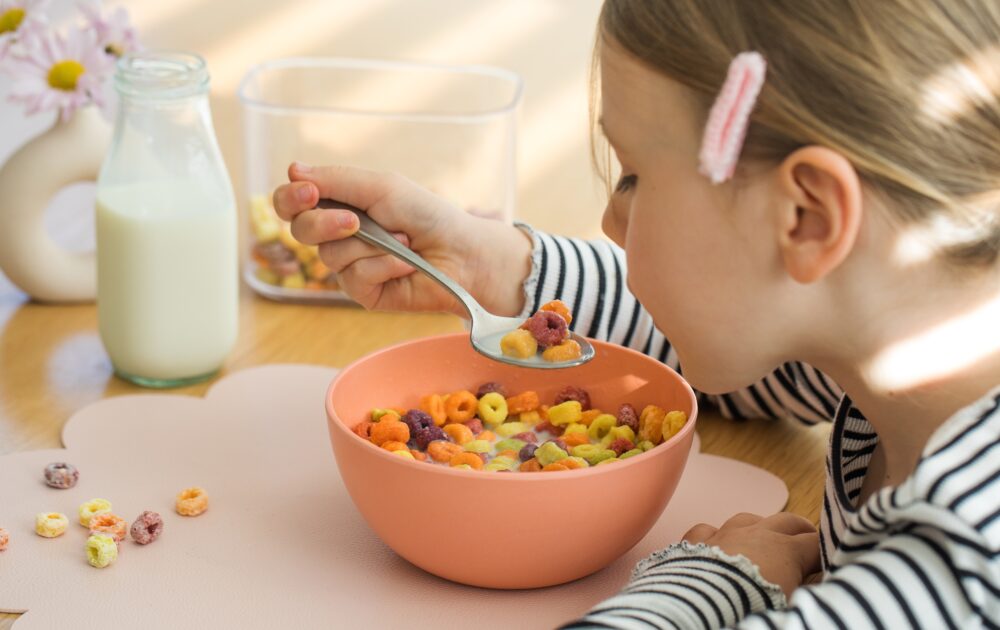
Everyone’s talking about UPFs right now; it’s a huge subject. Until recently, few people knew much about UPFs (ultra processed foods), and even fewer were concerned about them. But posts about UPFs have exploded on social media recently with influencers, especially mums, posting about what’s in our food, and how to find foods described as “non-UPF” in shops and supermarkets.
So, what are UPFs?
Ultra processed food (UPF) is the term used to describe foods where multiple ingredients have been combined to create foods such as crisps, biscuits, mass produced breads and cakes, sugary drinks, cereals, pizzas, sausages, and other processed meat products. A good rule of thumb is – if you’ve seen the food in an advert, it’s most likely an UPF.
A new term being used is ‘non-UPF’ – these are unmodified foods, without any added ingredients, often chemicals. This doesn’t mean they’re organic – fruits, vegetables, grains, and dairy products can still be produced using chemical pesticides and preservatives such as wax to lengthen shelf life.
UPFs sit at the top of the NOVA food classification system which organises foods into four groups.
- Group one – the healthiest stuff – unprocessed, or minimally processed – it includes whole, natural foods like fruits, vegetables, and grains. Bear in mind that some are sprayed with preservatives to lengthen shelf life.
- Group two – ingredients such as oils, salts, and sugars used to season and add flavour.
- Group three – processed foods made by combining foods in group one and two such as canned goods, breads, cheese, cured meats.
- Group four – the not-so-healthy stuff – UPFs – commercially produced “industrial” foods formulated with flavourings, stabilisers, and preservatives. This group includes ready meals, most breakfast cereals, supermarket bread and cakes, and snacks like crisps.
Are UPFs a health risk?
Yes.
Evidence shows that higher UPF dietary intake is associated with a 50% increased risk of cardiovascular disease related death, a 48-53% higher risk of anxiety and other mental disorders, and a 12% greater risk of type 2 diabetes. UPFs are widely linked with obesity with most recent research focusing on links between UPFs and health of the gut biome, which is turn is being linked to heart disease.
A UK study carried out using UK Biobank records monitored the health of 200,000 people over a 10-year period. It found that consumption of UPFs was linked with a higher cancer risk, especially brain, ovarian, and breast cancers.
Can you avoid ultra processed food?
Yes, they are quite easy to avoid, but it takes time and effort to source natural ingredients and cook everything from scratch. We’ve acquired a taste for convenience foods in our busy lives, so it can be tricky to avoid them entirely, but we can balance UPFs in our diet.
Here are a few ideas to help reduce your intake of UPFs.
- Choose organic fruit, vegetables, meat, grain, and dairy products whoever possible – start with one swap.
- Stop eating one UPF – cereals are an easy place to start, they’re sometimes loaded with flavourings and additives.
- Familiarise yourself with additive ingredients listed on food packaging labels.
- Scan foods using the YUKA app to check ingredients.
- Search Instagram using #UPFs to find influencers sharing updates about where to find ‘non-processed’ food that’s still convenient.
- Eat more food made at home using organic ingredients.
- Learn more about organic breakfast ingredients and how to avoid glyphosate.
- Follow guidance from the British Heart Foundation on ultra processed foods.